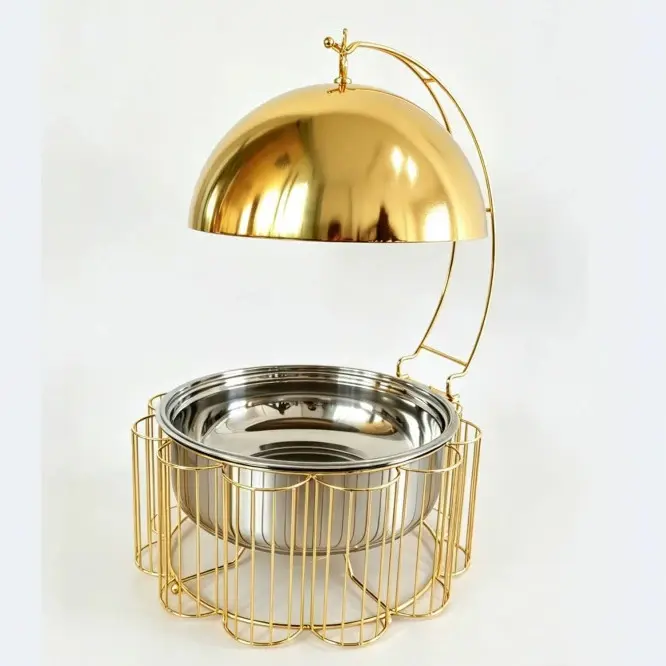
Introduction
In the catering industry and food delivery services, maintaining food temperature and quality is crucial. Whether it’s busy kitchen operations during peak hours or catering services for large banquets and outdoor events, choosing the right commercial insulated container can significantly improve food safety and customer satisfaction. These containers not only keep hot food warm but also ensure that cold food and beverages do not spoil during transport, reducing waste and increasing efficiency. This guide analyzes how to choose the right commercial insulated container and provides practical recommendations to help businesses optimize operations.
Material and Durability
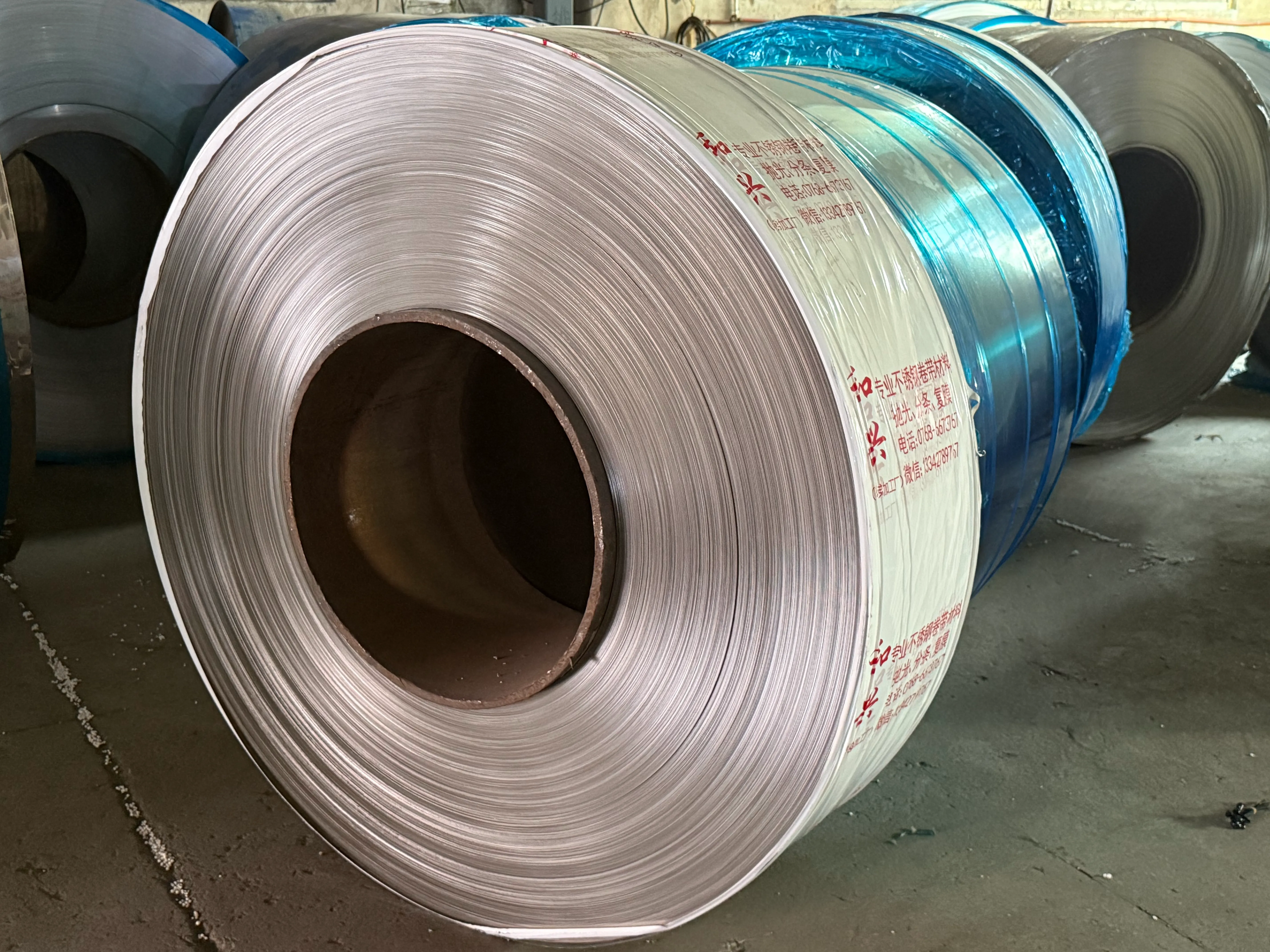
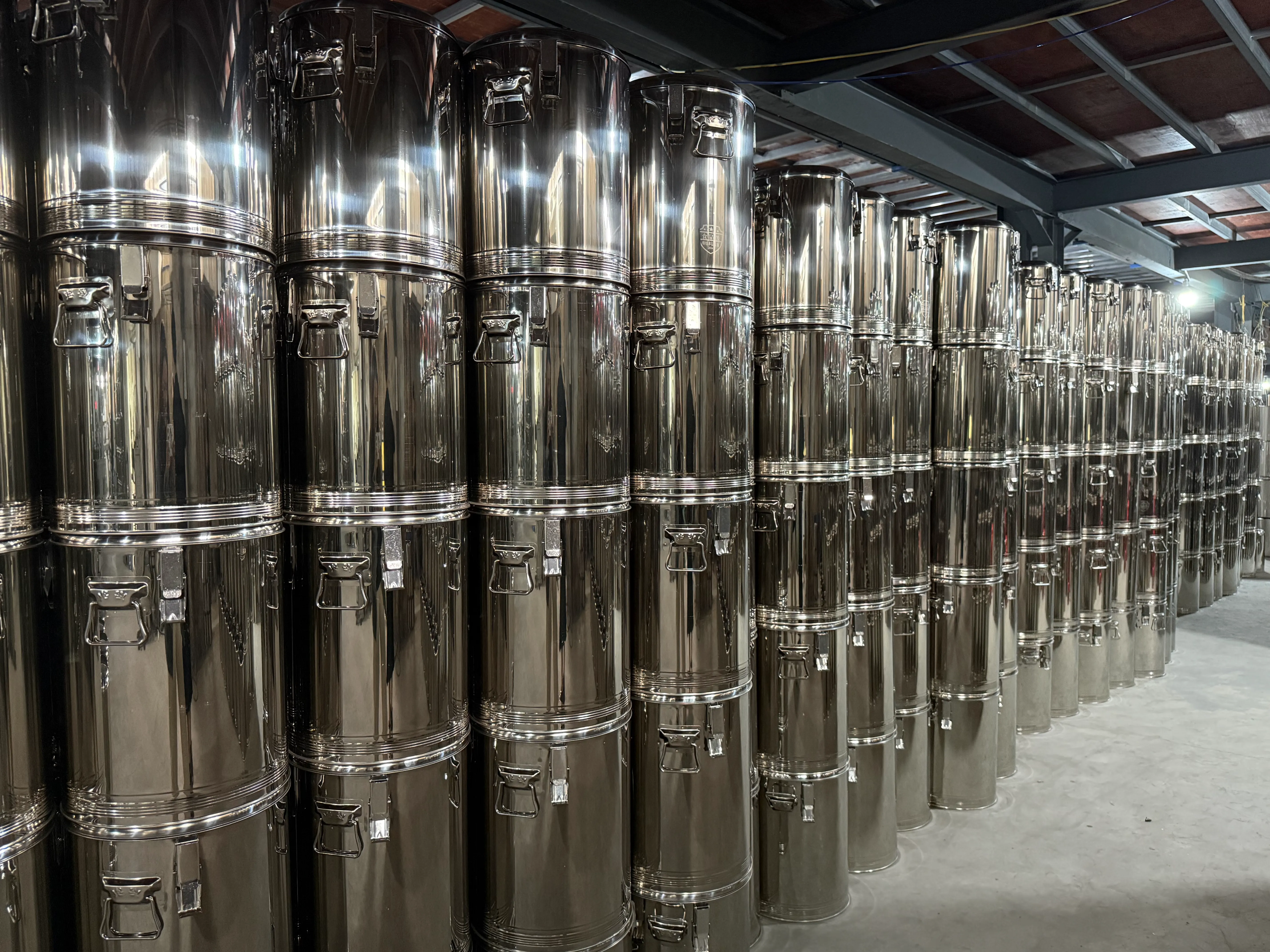
When choosing a commercial insulated container, material is a primary consideration. Stainless steel is widely considered the most durable and corrosion-resistant option. It maintains food temperature for extended periods, does not react chemically with acidic or oily foods, and is easy to clean and sanitize, meeting the hygiene standards of the catering industry.
For example, a catering company delivering milk tea and hot beverages chose stainless steel containers, which maintained good sealing and structural integrity even after frequent use, reducing food waste. Many stainless steel containers also feature reinforced shells and ergonomic handles for easy handling.
| Feature | Benefit |
|---|---|
| Material | Stainless steel – durable, corrosion-resistant, hygienic |
| Handles | Ergonomic – easy to transport heavy loads |
| Longevity | Can last 5–10 years with regular use |
| Cleaning | Smooth surfaces – easy to sanitize |
Size and Capacity Selection
The size and capacity of a commercial insulated container affect kitchen efficiency and transportation. Oversized containers can be cumbersome and may cause uneven heating or cooling. Undersized containers require frequent refills, slowing service.
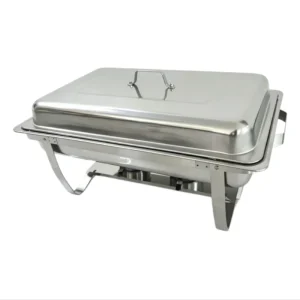
B2B catering clients often select multiple sizes to suit different dishes and scenarios. Rectangular containers are preferred in commercial kitchens and delivery vehicles for efficient stacking and space-saving.
| Container Type | Recommended Use | Advantages |
|---|---|---|
| Small | Sauces, cold drinks | Easy handling, quick refill |
| Medium | Soups, hot drinks | Balanced size for transport and serving |
| Large | Bulk meals, beverages | Minimizes trips, reduces labor |
| Rectangular | Any size | Stackable, maximizes storage space |
Insulation Performance and Temperature Control
Maintaining temperature is the core function of a commercial insulated container. High-quality containers use double-wall insulation, vacuum insulation, or high-density foam to minimize heat or cold loss.
For example, an outdoor wedding catering company used high-performance insulated containers for hot dishes and beverages. During 4 hours of transportation, the food temperature dropped less than 5℃, greatly improving customer satisfaction.
| Feature | Importance |
|---|---|
| Insulation Type | Double-wall / vacuum / foam |
| Temperature Retention | Hot and cold food preservation |
| Duration | Maintains food quality during long transport |
| Food Types | Hot foods: soups, stews; Cold foods: salads, beverages |
Hygiene and Leak-Proof Design
Food safety is critical in commercial catering. Commercial insulated containers must be leak-proof, spill-proof, and easy to clean. Tightly sealed lids, gaskets, and smooth inner walls prevent leakage and cross-contamination.
| Feature | Benefit |
|---|---|
| Leak-Proof Lid | Prevents spills during transport |
| Smooth Interior | Easy to clean, meets hygiene standards |
| Removable Components | Simplifies maintenance, saves labor |
| Outdoor Use | Safe for transport to events or catering sites |
Multi-Scenario Application and Flexibility
A versatile commercial insulated container can be used in restaurants, hotels, banquets, outdoor events, and food delivery. Multi-functional design reduces the need to purchase multiple containers.
| Scenario | Container Use |
|---|---|
| Restaurant | Hot meals, cold drinks, sauces |
| Catering | Buffet, large-scale food transport |
| Outdoor Event | Keep food hot or cold for outdoor banquets or picnics |
| Delivery | Maintain temperature and hygiene during transport |
Conclusion
Choosing the right commercial insulated container is essential for restaurants, hotels, and catering services. Key factors include material, size, insulation performance, leak-proof design, and versatility. Investing in high-quality, durable, and easy-to-clean containers ensures food temperature and quality, reduces waste, improves efficiency, and enhances customer satisfaction. Businesses should select containers that fit their operational needs to maximize efficiency.
About Lianmei
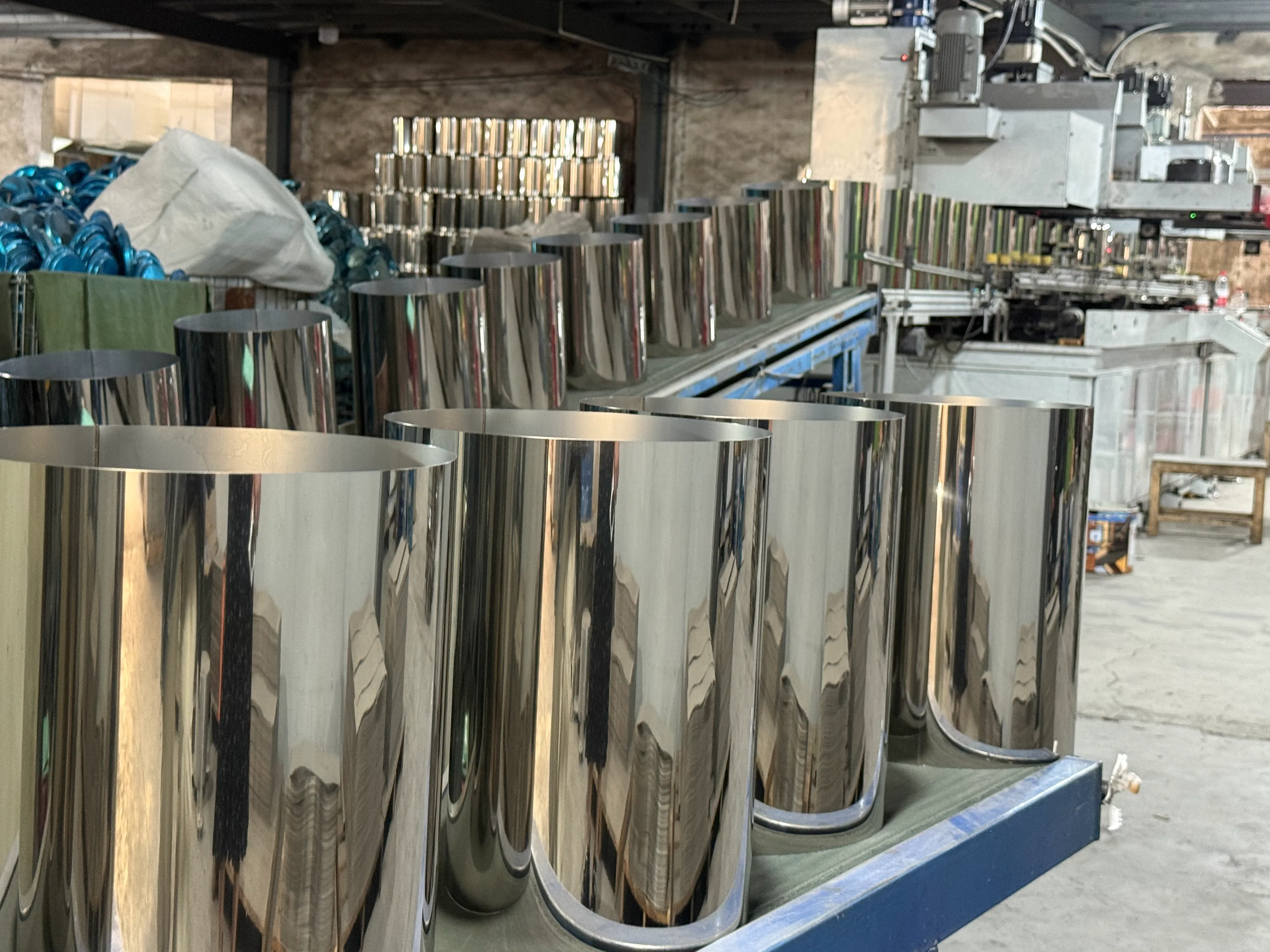
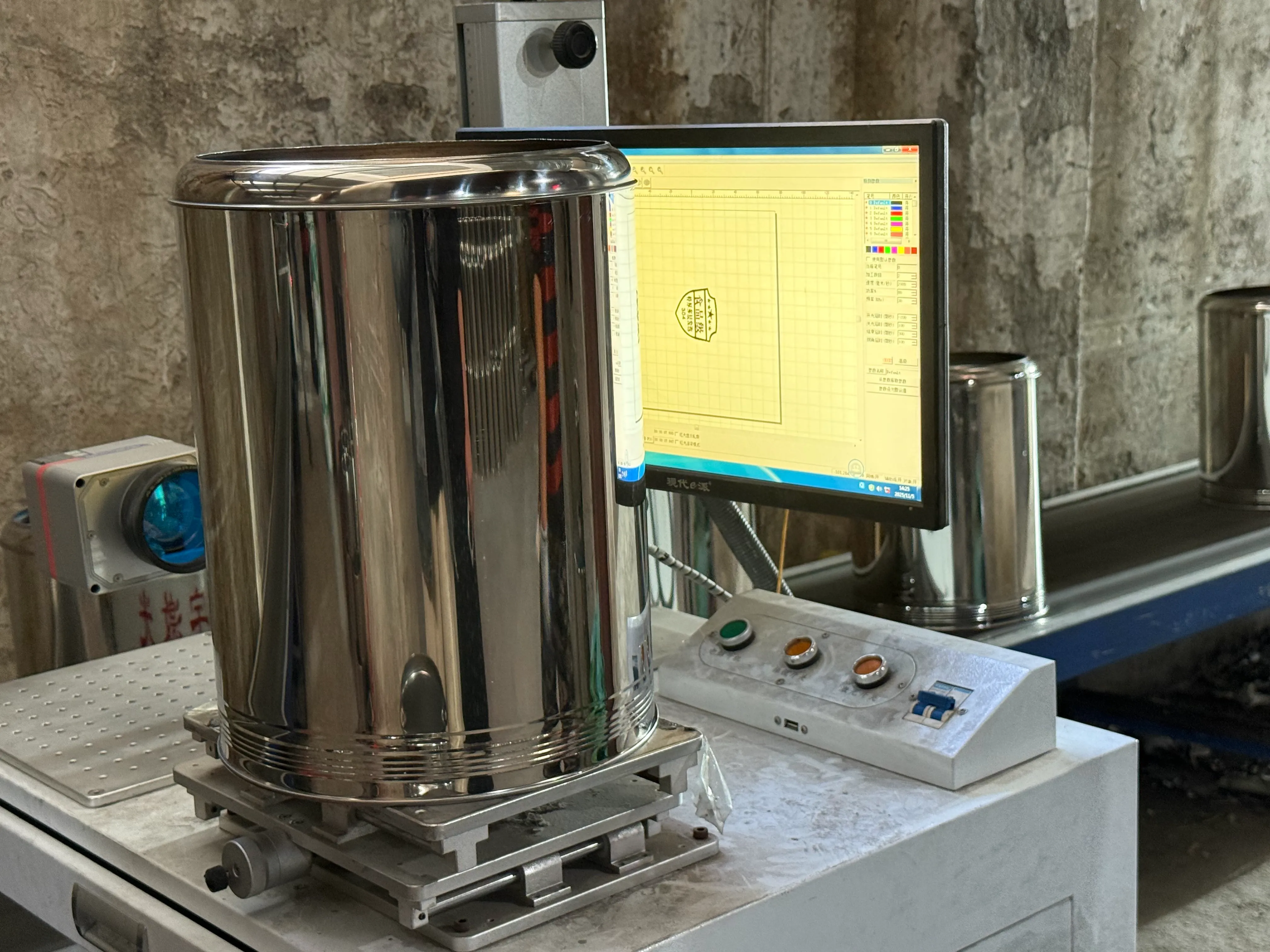
Founded in 1996, Lianmei is a professional manufacturer of commercial insulated containers, specializing in stainless steel insulated barrels, milk tea dispensers, wholesale insulated boxes, and various commercial catering containers. Lianmei operates a 7,000㎡ modern factory with automated production lines and an annual output of 10 million units. With a dedicated R&D team and strict quality control, Lianmei delivers durable, reliable insulation solutions for families, businesses, and outdoor activities worldwide. Designed for durability, hygiene, and ease of use, Lianmei products are trusted by catering and outdoor food service businesses globally.