For restaurants, catering businesses, and food delivery services, maintaining the right temperature of food is essential for quality, taste, and safety. Choosing the right commercial insulated food container can make all the difference in keeping dishes hot—or cold—during transport and service. This guide will help you select the best containers for your business needs.
1. Understand Your Food Storage Needs
Before selecting a container, consider what types of food you need to store or transport:
- Hot foods: Soups, stews, pasta, and cooked meals
- Cold foods: Salads, beverages, desserts, or ingredients
- Mixed dishes: Multi-course meals requiring separate compartments
Knowing your food type and serving style helps you choose the right size, shape, and insulation type for your containers.
2. Insulation Types Matter
Commercial insulated containers come with various insulation technologies:
- Double-wall stainless steel: Excellent for maintaining heat or cold for extended periods
- Vacuum insulation: Superior temperature retention, ideal for long-distance deliveries
- Plastic or polymer insulation: Lightweight and cost-effective, good for shorter durations
Choose containers that match your holding time and transportation needs to prevent food quality loss.
3. Capacity and Size Considerations
Commercial containers come in different sizes, from small individual portions to large bulk storage units. Tips for choosing the right capacity:
- Estimate the number of servings per container
- Use multi-compartment boxes for different dishes in one unit
- Avoid overfilling to prevent spills and heat loss
Balancing capacity and portability ensures both efficiency and convenience during service.
4. Ease of Cleaning and Durability
High-quality food containers should be durable, food-safe, and easy to clean:
- Stainless steel containers resist dents, corrosion, and warping
- Removable lids and compartments simplify cleaning
- BPA-free plastics are safer for food contact
Durable containers save money over time and maintain hygiene standards.
5. Portability and Handling
For catering and delivery, portability is key:
- Look for insulated carriers or handles for safe transport
- Stackable designs optimize space in storage and vehicles
- Lightweight but sturdy materials reduce strain during handling
Proper handling features reduce the risk of spills and accidents while keeping food secure.
6. Temperature Monitoring
Even with insulated containers, monitoring food temperature is crucial:
- Hot food should stay above 140°F (60°C)
- Cold food should remain below 40°F (4°C)
- Use food thermometers to verify the temperature before serving
Temperature checks ensure food safety and maintain customer satisfaction.
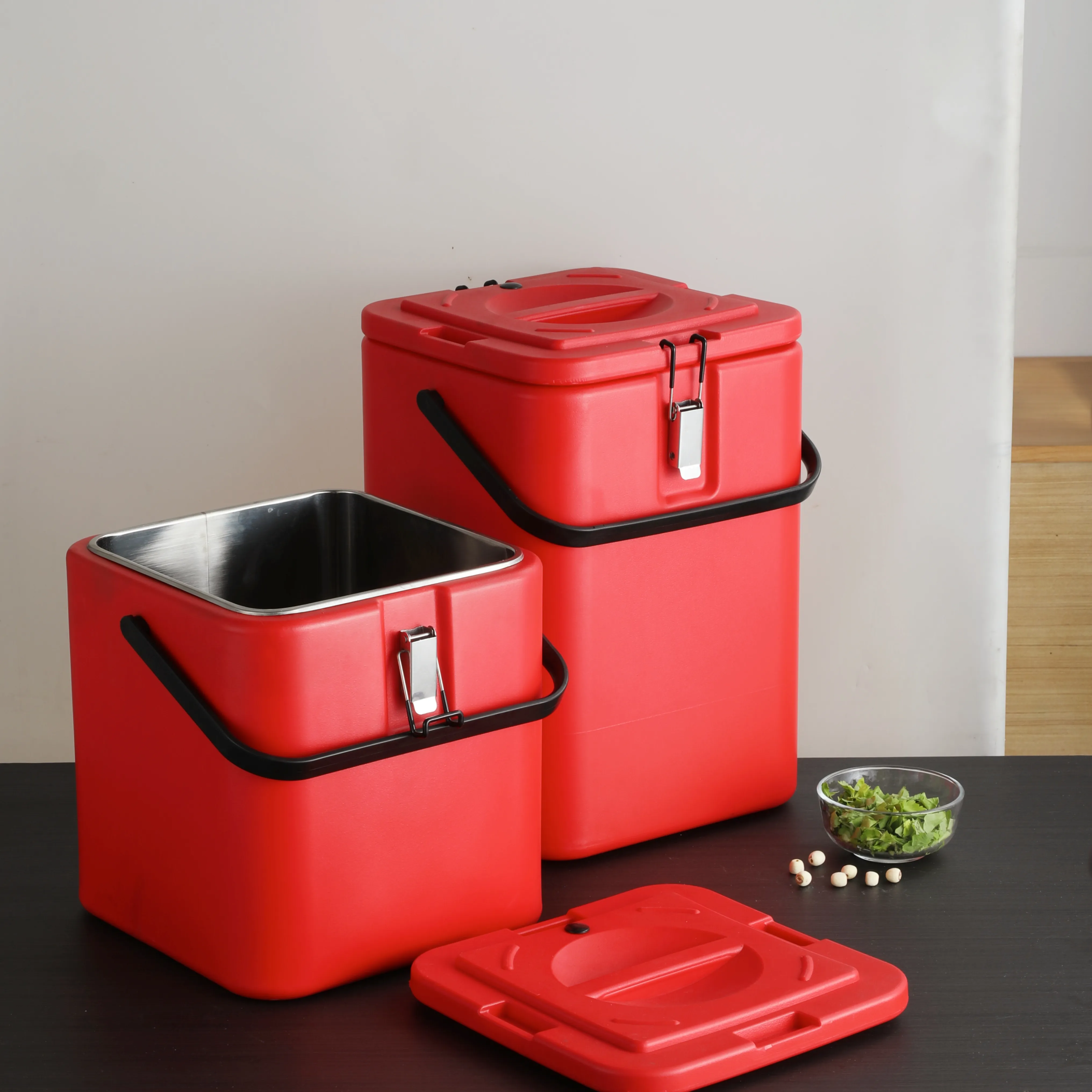
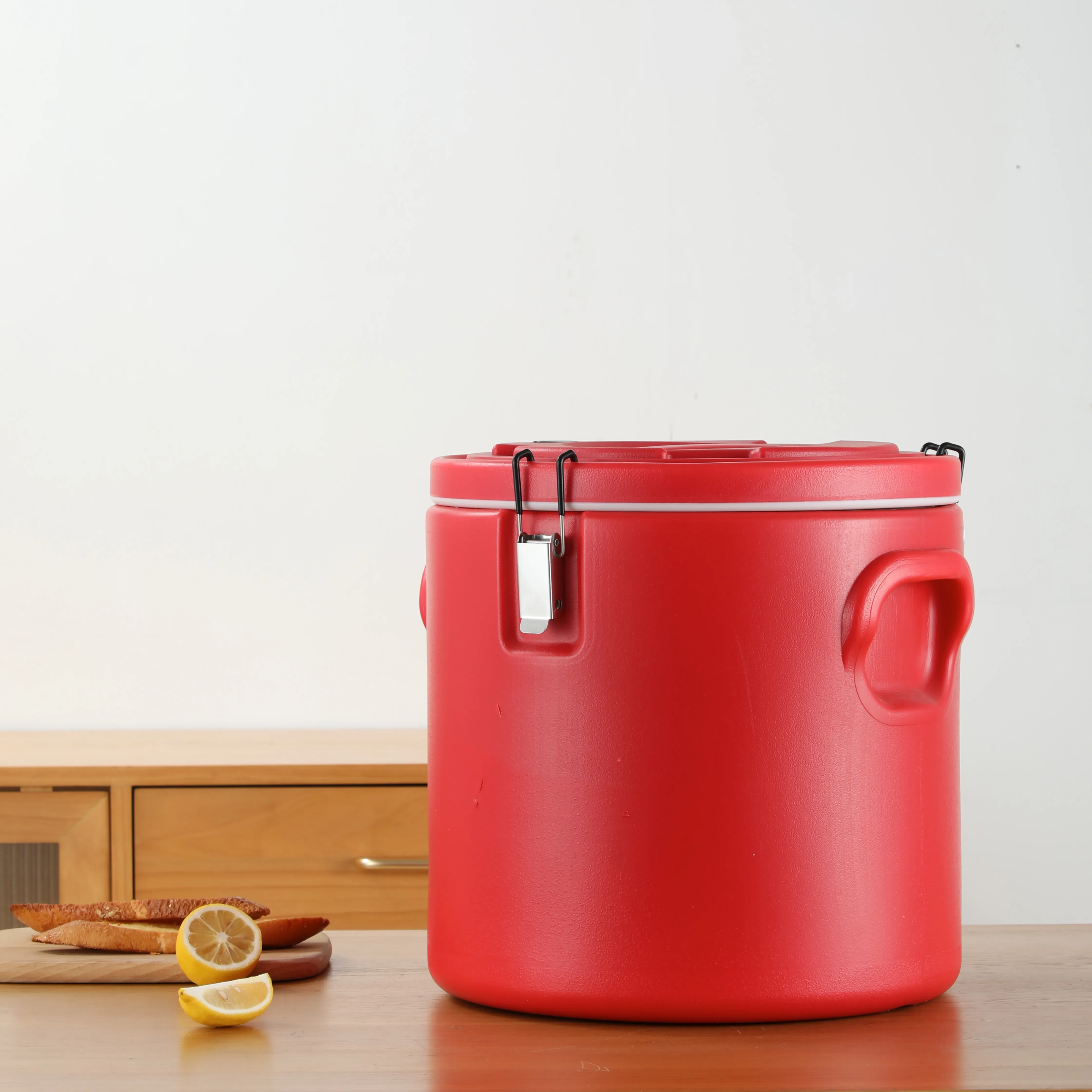
Showcase: Lianmei Commercial Insulated Containers
Lianmei provides a wide range of commercial insulated food containers designed for catering, restaurants, and delivery services:
- Stainless steel thermal barrels and milk tea buckets
- Multi-compartment insulated boxes
- Plastic insulated cooler boxes
These containers are designed for maximum heat retention, safety, and portability, helping businesses deliver hot, fresh, and safe meals every time.

Conclusion: Reliable Food Storage with Lianmei
Choosing the right commercial insulated food container is essential for maintaining food quality, safety, and efficiency in any catering or delivery operation. With durable materials, effective insulation, and smart design, Lianmei’s products provide dependable solutions for food businesses worldwide.
Founded in 1996, Lianmei is a professional manufacturer specializing in stainless steel insulated barrels, milk tea buckets, insulated food containers, and more. Their modern factory with automated production lines and strict quality control ensures high-quality, long-lasting products for catering professionals globally.