Introduction
Maintaining food temperature and quality is one of the biggest challenges in outdoor catering and large-scale events. Whether it’s wedding banquets, corporate events, or open-air festival food stalls, food and beverages can easily lose heat or become spoiled during transportation and on-site service, affecting customer experience and food safety. Choosing the right insulated solutions for outdoor events ensures hot food stays warm, cold drinks remain chilled, and waste is minimized while operational efficiency is maximized. This article will provide practical advice, tips, and case examples on selecting and using insulated solutions to meet the diverse needs of outdoor catering businesses.
Material and Durability
When selecting insulated solutions for outdoor, material is a key consideration. High-quality stainless steel and food-grade plastic are the most common choices. They are durable, corrosion-resistant, and can maintain temperature performance during extended use in outdoor environments.
For example, a professional outdoor catering company used stainless steel containers to transport hot soups and beverages. Even after long-distance transport, the food temperature remained stable, and leakage or contamination was avoided. Compared with plastic containers, stainless steel is more durable, resistant to cracking or deformation, and can withstand repeated handling and stacking.
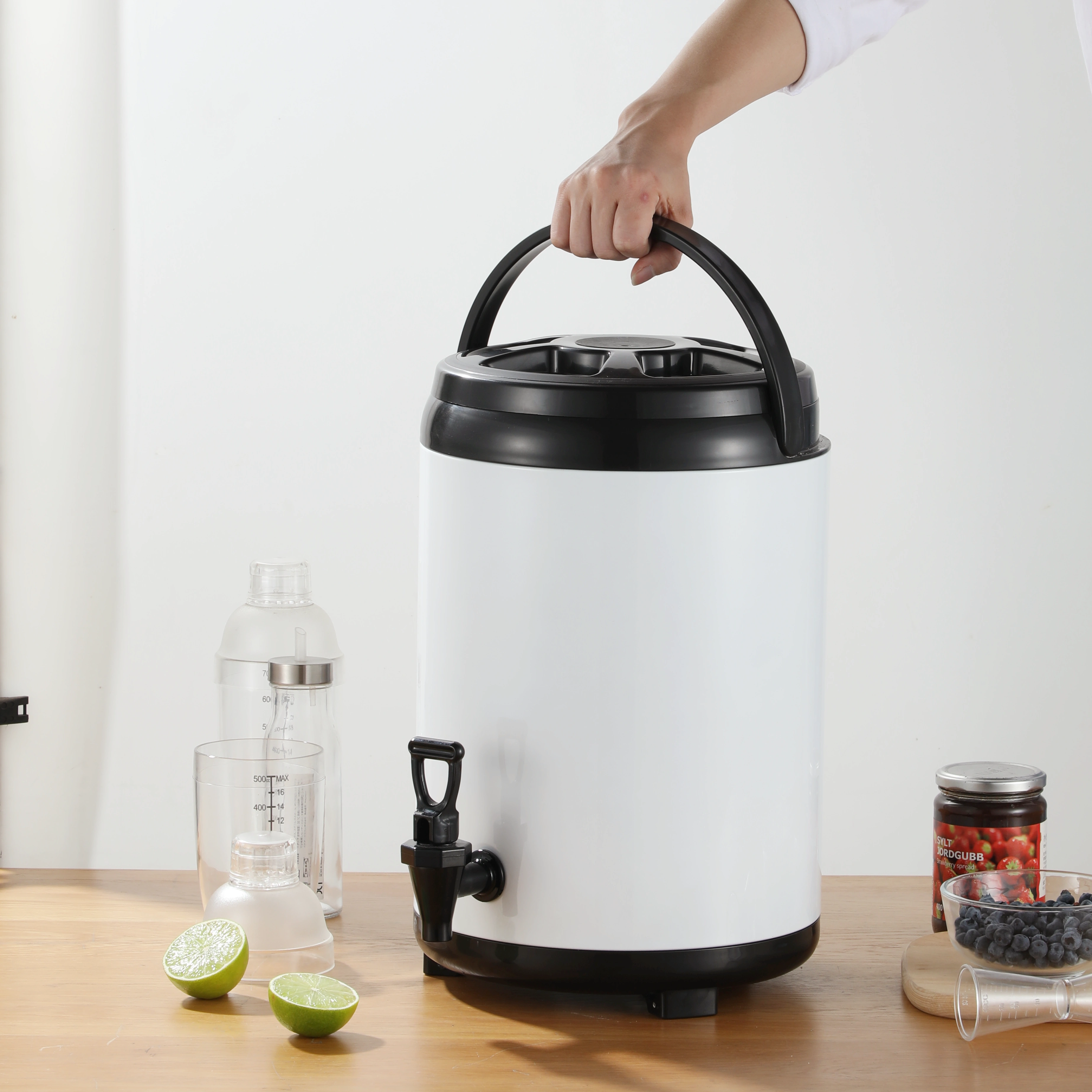
Many containers also feature reinforced shells and ergonomic handles, making it easier for staff to carry heavy loads. These designs not only enhance usability but also reduce the risk of spills or accidents during outdoor service. Choosing high-quality insulated solutions for outdoor ensures long service life and lowers long-term operational costs.
| Feature | Benefit |
|---|---|
| Material | Stainless steel – durable, corrosion-resistant, hygienic |
| Handles | Ergonomic – easier transport for staff |
| Longevity | Can last 5–10 years under frequent use |
| Cleaning | Smooth surfaces, easy to sanitize |
Size and Capacity Selection
The size and capacity of containers significantly affect efficiency in outdoor catering. Oversized containers are difficult to handle and occupy too much transport space, while undersized containers require frequent refills, slowing service.
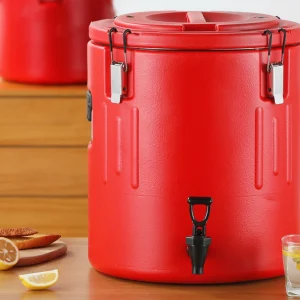
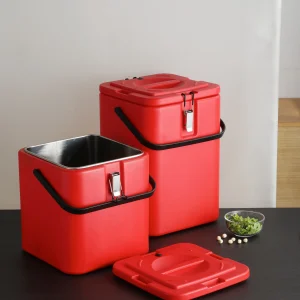
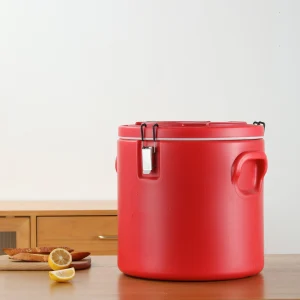
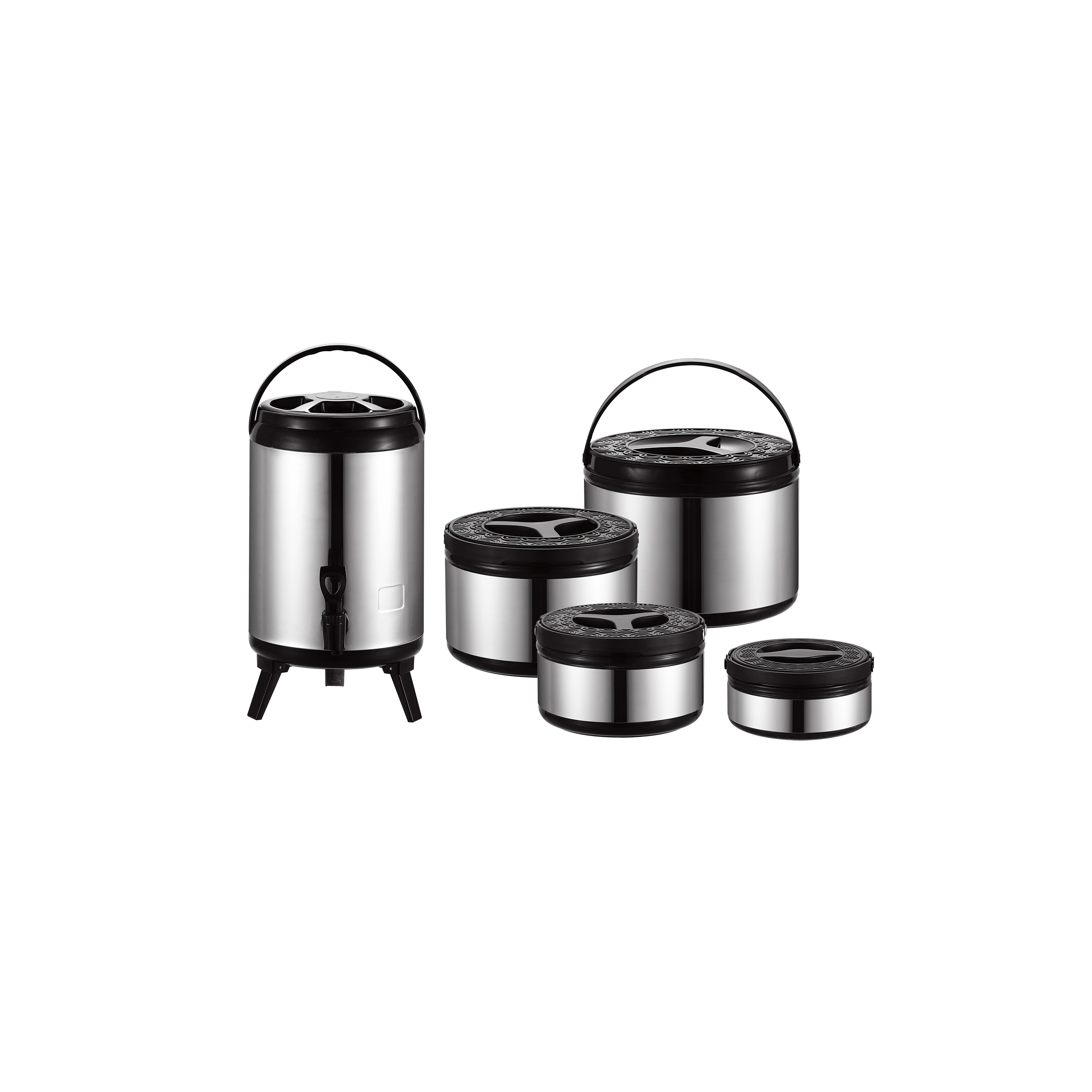
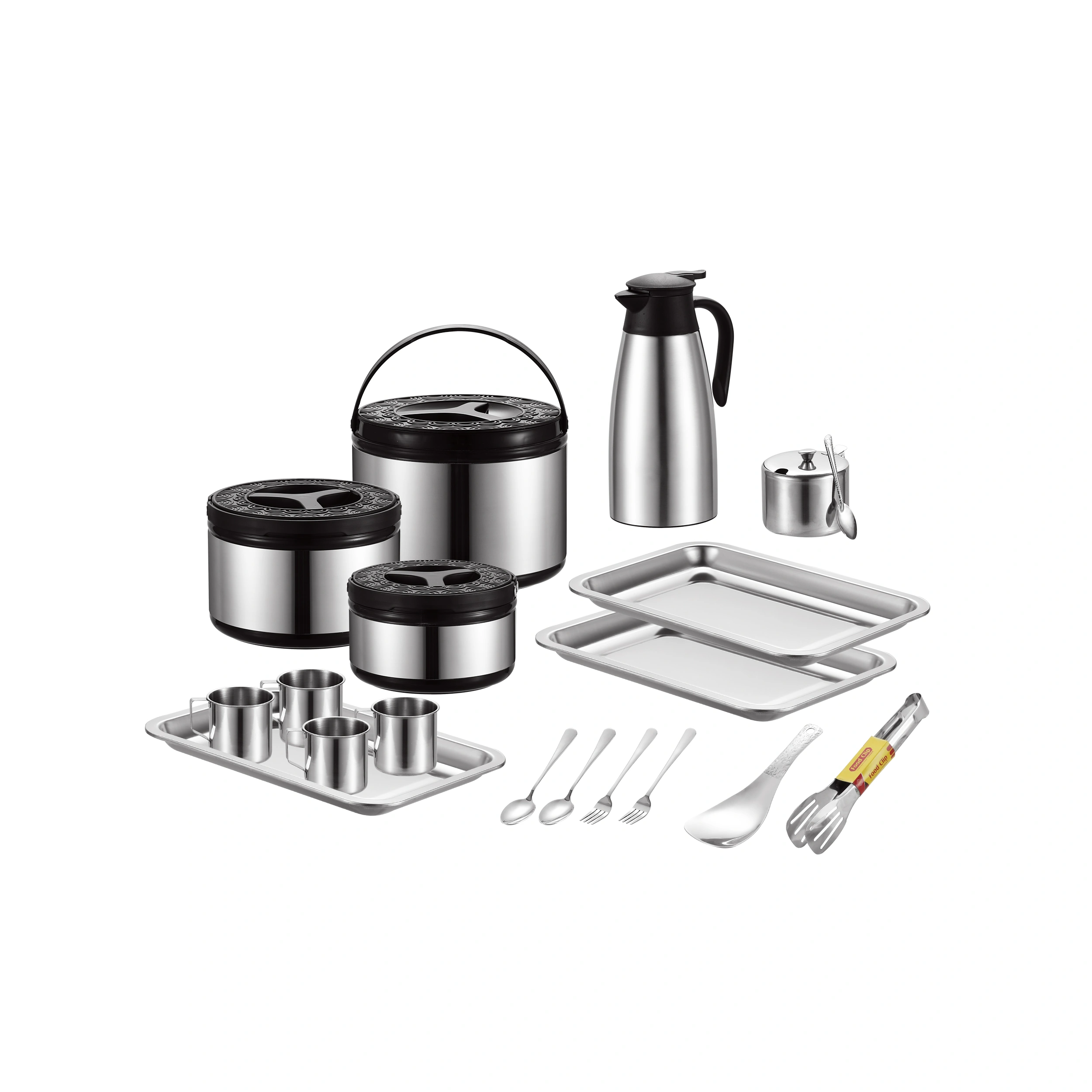
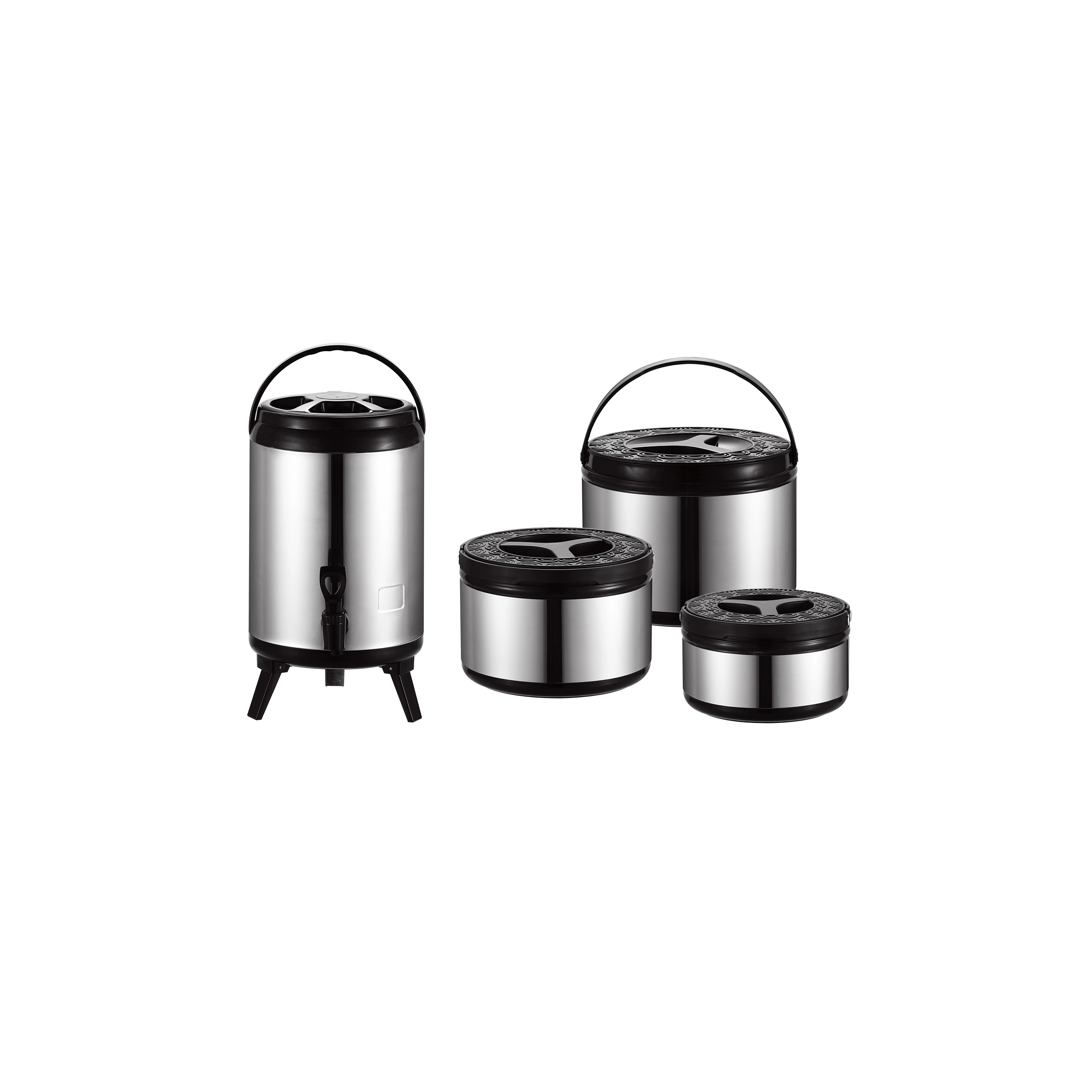
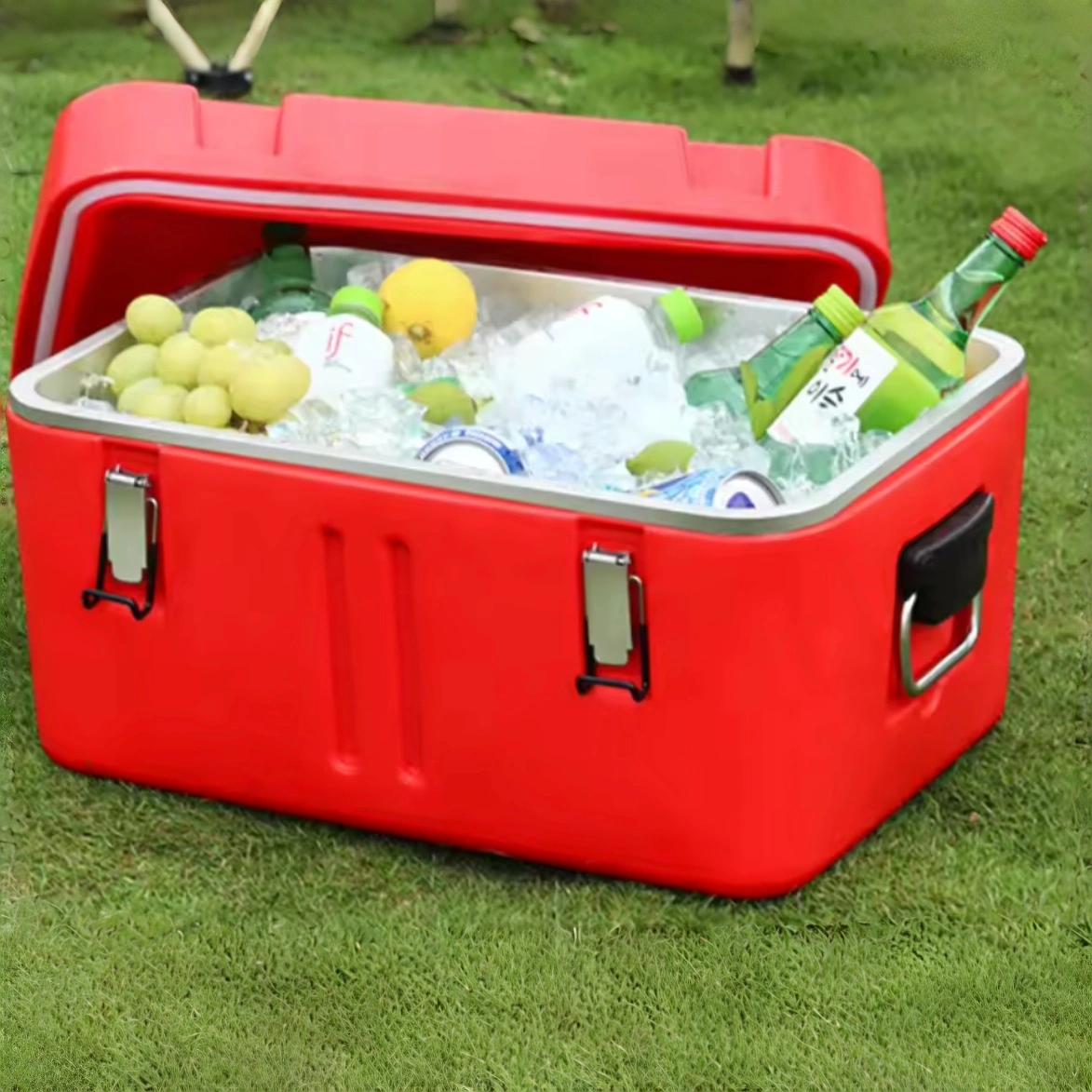
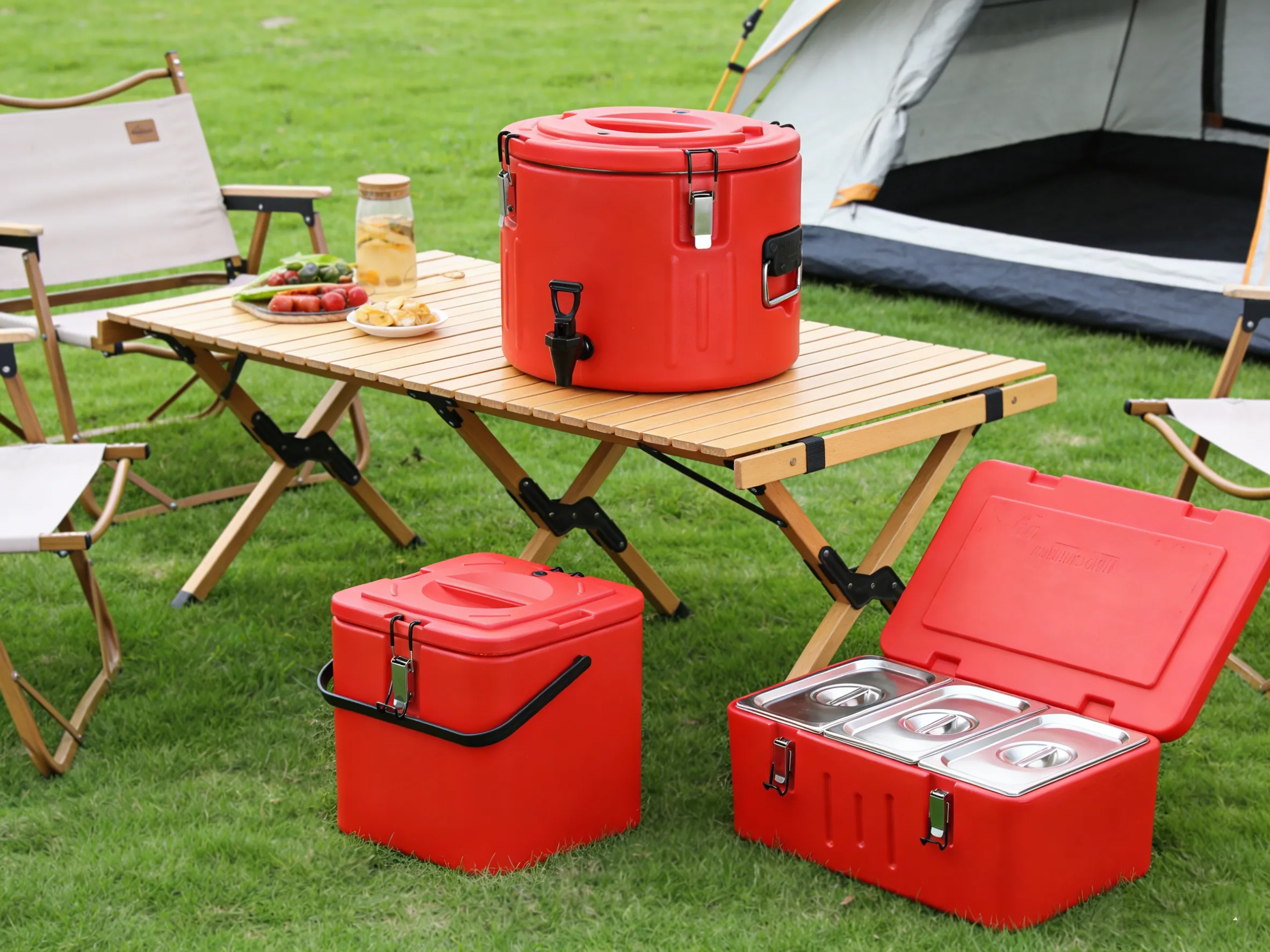
B2B clients often use multiple container sizes to accommodate different dishes and service scenarios. Medium-sized containers are suitable for soups and hot beverages, while smaller containers work well for cold drinks or sauces. Rectangular or square insulated solutions for outdoor are especially advantageous for transport vehicles or limited storage spaces, as they are easy to stack and maximize space utilization.
In practice, stackable containers reduce space occupation in vehicles and speed up distribution. For large events, planning the number and size of containers for each food item ensures smooth operation and lowers stress on on-site staff.
| Container Type | Recommended Use | Advantages |
|---|---|---|
| Small | Sauces, cold drinks | Easy handling, quick refill |
| Medium | Soups, hot drinks | Balanced size for transport and serving |
| Large | Bulk meals, beverages | Minimizes trips, reduces labor |
| Rectangular | Any size | Stackable, maximizes storage space |
Insulation Performance and Temperature Control
The core function of insulated solutions for outdoor is maintaining food temperature. Hot food requires long-term insulation, while cold items or beverages need effective cooling. High-performance containers typically use double-wall insulation, stainless steel vacuum layers, or high-density foam to minimize heat or cold loss.
For example, at an outdoor wedding banquet, high-performance insulated containers were used to transport hot dishes and beverages. After four hours of transportation, the food temperature dropped less than 5℃, ensuring customer satisfaction. When selecting containers, attention should be paid to insulation duration, food type, and event scenario. Hot soups, stews, and coffee have different temperature requirements than salads or cold drinks. Matching the performance of insulated solutions for outdoor to actual use cases is crucial to ensure food safety and taste.
| Feature | Importance |
|---|---|
| Insulation Type | Double-wall / vacuum / foam |
| Temperature Retention | Hot and cold food preservation |
| Duration | Maintain food quality during long transport |
| Food Types | Hot foods: soups, stews; Cold foods: salads, beverages |
Hygiene and Leak-Proof Design
Food safety is especially important in outdoor environments. High-quality insulated solutions for outdoor should be leak-proof, spill-proof, and easy to clean. Tightly sealed lids, gaskets, and smooth inner walls prevent leaks and cross-contamination.
For example, during an outdoor music festival or open-air banquet, leak-proof designs prevented hot soups or beverages from spilling, ensuring the safety of staff and guests. Removable components and smooth interiors also allow for quick cleaning, saving labor and improving operational efficiency. Leak-proof and hygienic designs ensure that food remains safe and fresh during long transport or service.
| Feature | Benefit |
|---|---|
| Leak-Proof Lid | Prevent spills during transport |
| Smooth Interior | Easy to clean, meets hygiene standards |
| Removable Components | Simplifies maintenance, saves labor |
| Outdoor Use | Safe for events or catering sites |
Multi-Scenario Application and Flexibility
High-quality insulated solutions for outdoor can be used across restaurants, hotels, banquets, outdoor events, and food delivery. Multi-functional designs reduce the need to purchase multiple specialized containers.
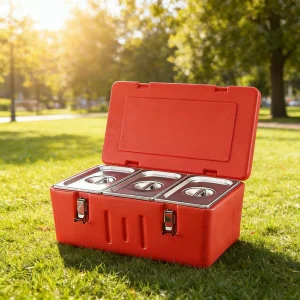
For example, insulated containers are not only suitable for hot food but also for keeping cold drinks or desserts chilled. Rectangular insulated boxes are convenient for stacking and transportation. Versatile and durable containers enhance operational flexibility, reduce inventory pressure, and strengthen business competitiveness. For large festivals, weddings, or corporate events, combining different sizes and functions of containers improves efficiency while maintaining optimal food temperature and quality.
| Scenario | Container Use |
|---|---|
| Restaurant | Hot meals, cold drinks, sauces |
| Catering | Buffet, large-scale food transport |
| Outdoor Event | Keep food hot or cold for outdoor banquets or picnics |
| Delivery | Maintain temperature and hygiene during transport |
Conclusion
Choosing the right insulated solutions for outdoor is essential for restaurants, hotels, and outdoor event services. Key factors include material, size, insulation performance, leak-proof design, and versatility. Investing in high-quality, durable, and easy-to-clean containers ensures food temperature and quality, reduces waste, improves efficiency, and enhances customer satisfaction. Businesses should select containers that align with their operational needs to maximize efficiency.
About Lianmei
Founded in 1996, Lianmei is a professional manufacturer of insulated solutions for outdoor, specializing in stainless steel insulated barrels, milk tea dispensers, wholesale insulated boxes, and various commercial catering containers. Lianmei operates a 7,000㎡ modern factory with automated production lines and an annual output of 10 million units. With a dedicated R&D team and strict quality control, Lianmei delivers durable, reliable insulation solutions for families, businesses, and outdoor activities worldwide. Designed for durability, hygiene, and ease of use, Lianmei products are trusted by catering and outdoor food service businesses globally.