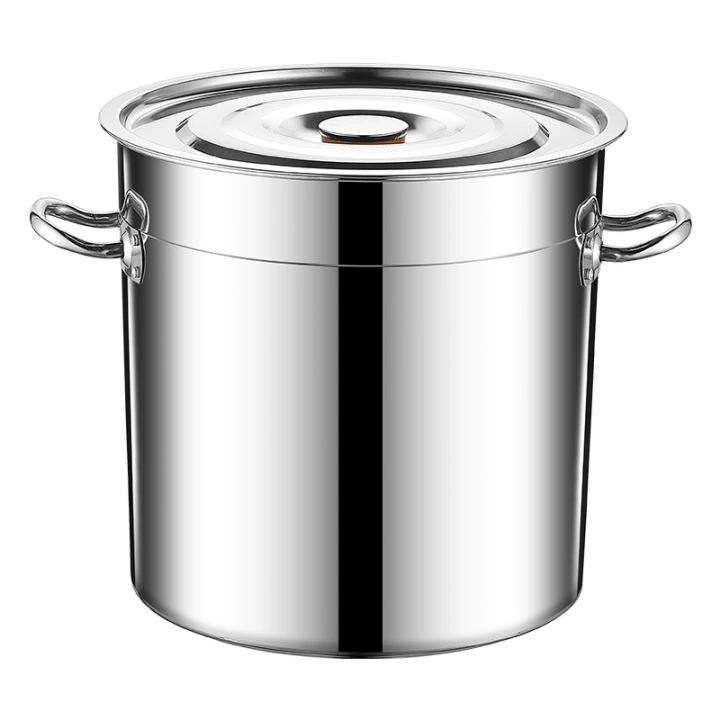
Whether you are running a professional catering service, a school cafeteria, or a busy milk tea shop, maintaining the correct food temperature is the most critical part of your operation. Keeping hot food at the right temperature isn’t just about taste—it’s about preventing foodborne illnesses and meeting international safety standards.
1. The “Danger Zone”: What You Need to Know
According to food safety guidelines (such as the FDA), the “Danger Zone” for bacteria growth is between 40°F (4°C) and 140°F (60°C). In this range, bacteria can double in number in as little as 20 minutes.
- The Safe Threshold: Hot food must be kept at a steady temperature of 140°F (60°C) or higher.
- The 2-Hour Rule: If hot food drops into the danger zone for more than 2 hours, it must be discarded to ensure safety.
2. How to Maintain Heat in Commercial Catering
In a high-volume B2B environment, relying on active heating isn’t always possible during transport. This is where high-quality passive insulation becomes essential.
- Vacuum Insulation Technology: Professional-grade containers use double-wall vacuum layers to block heat transfer.
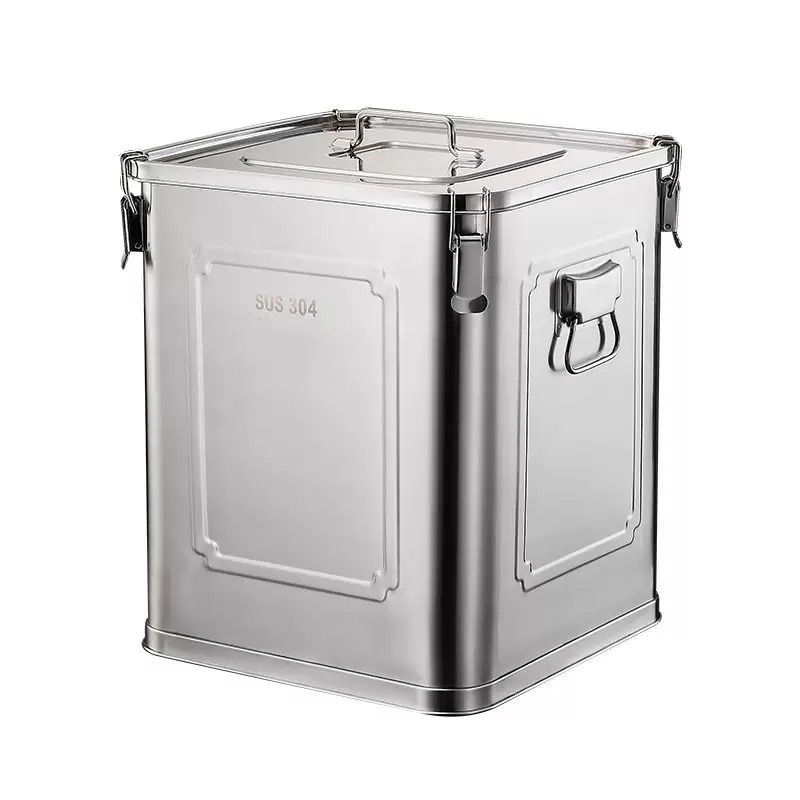
- Material Matters: Using 304 food-grade stainless steel ensures that the container itself doesn’t react with acidic or salty foods while maintaining heat.
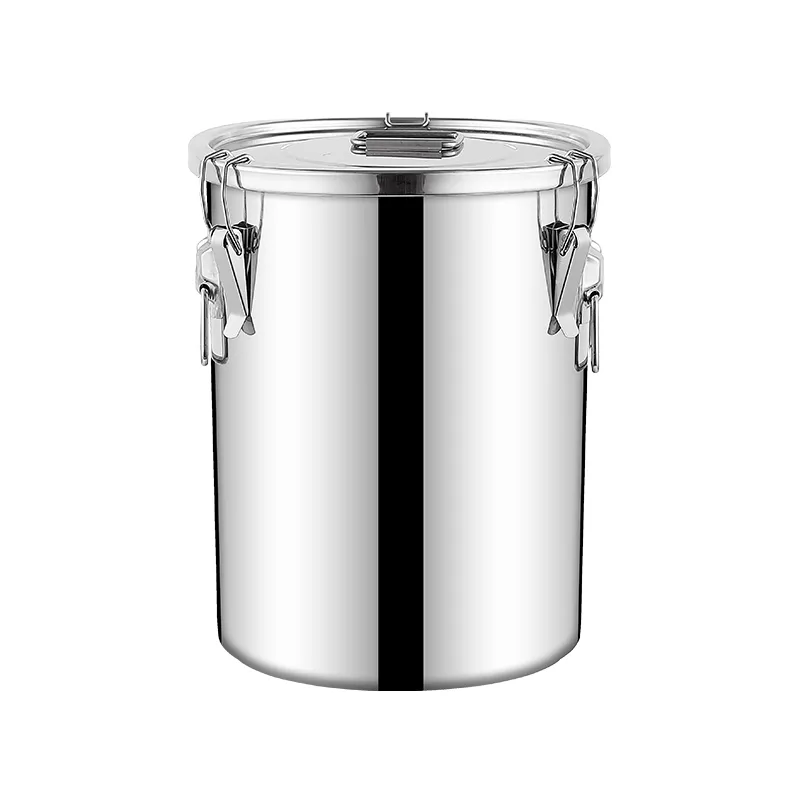
- Sealing Integrity: A high-quality insulated barrel or food transport box must have a reliable seal to prevent steam—and heat—from escaping.
3. Choosing the Right Equipment for Your Business
Depending on your specific industry, the equipment you choose will vary:
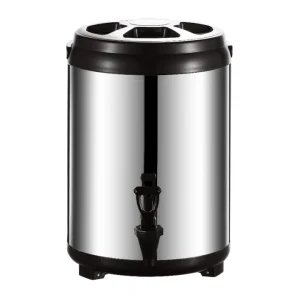
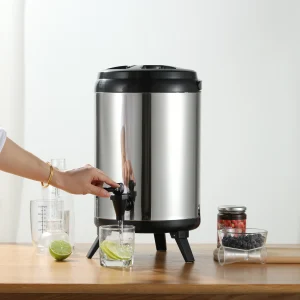
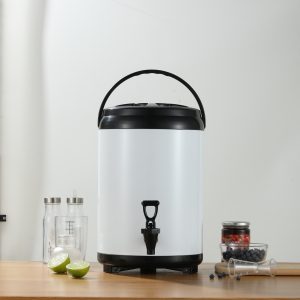
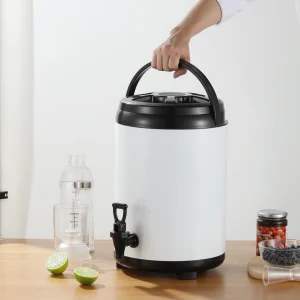
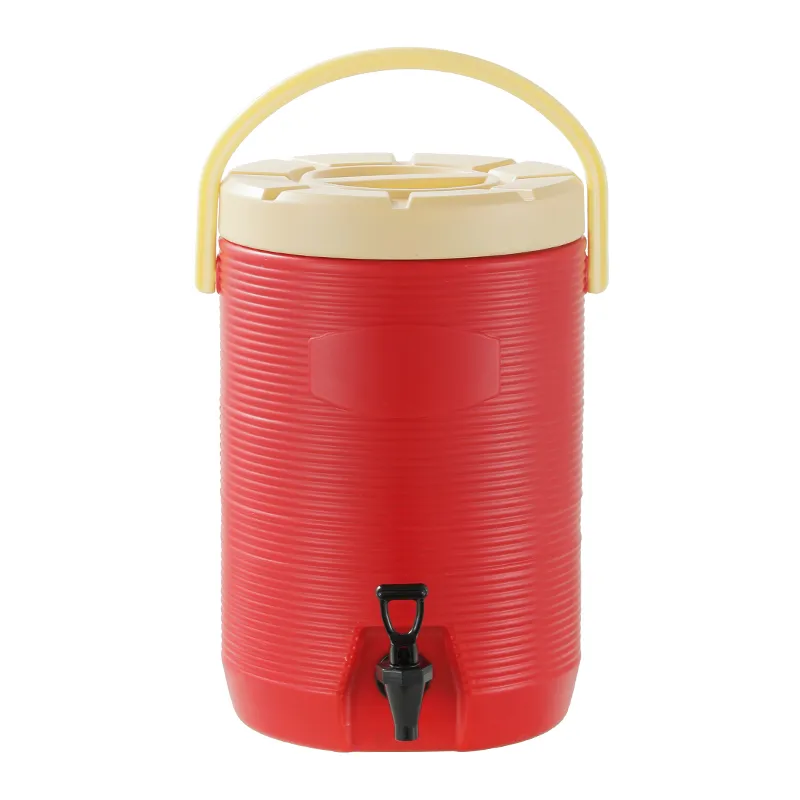
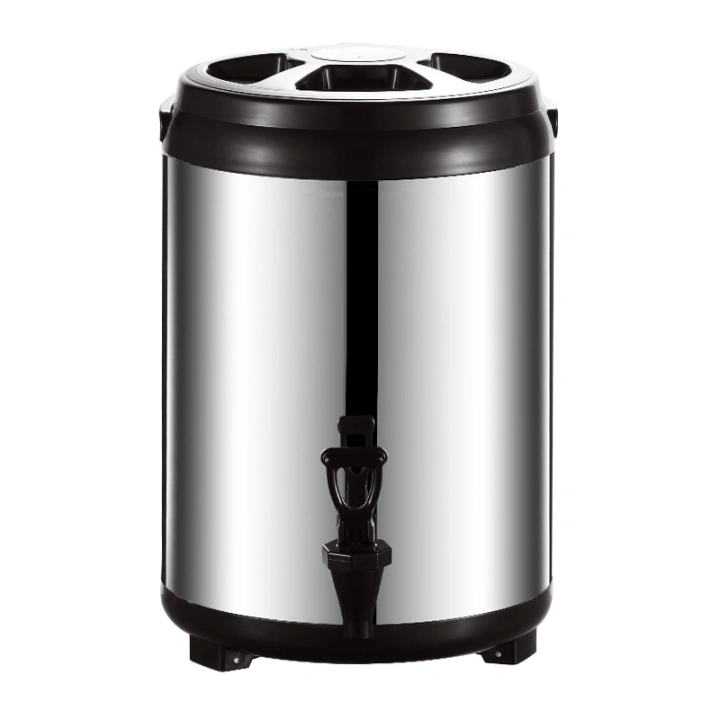
- For Beverage Services: Insulated milk tea buckets and beverage dispensers are designed to keep liquids hot (or cold) for up to 12 hours.
- For Bulk Food Logistics: Large-scale catering requires stackable, bulk insulated containers that can withstand the rigors of transport while keeping meals above the 140°F (60°C) threshold.
- For Outdoor Events: Wholesale cooler boxes with enhanced insulation layers provide a versatile solution for temporary hot food storage.
4. Best Practices for Hot Holding
- Pre-heat your containers: Pour hot water into your insulated barrel for a few minutes before adding food to prime the temperature.
- Keep the lid closed: Minimize the frequency of opening the lid to maintain internal thermal pressure.
- Monitor with thermometers: Regularly check the internal temperature of the food, not just the container.
About Lianmei
Founded in 1996, Lianmei is a professional insulated food container manufacturer specializing in stainless steel insulated barrels, milk tea buckets, wholesale cooler boxes, insulated food containers, and more. Our 7,000㎡ modern factory features automated production lines with an annual output of 10 million units. With a dedicated R&D team and strict quality control, we deliver durable and reliable solutions for families, businesses, and outdoor enthusiasts worldwide.