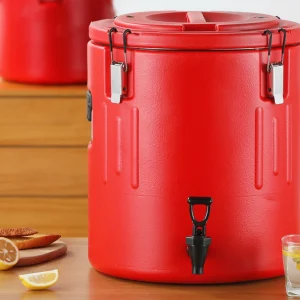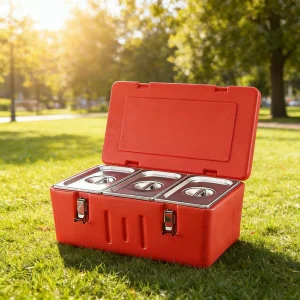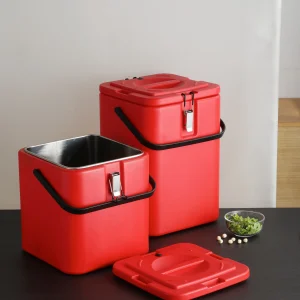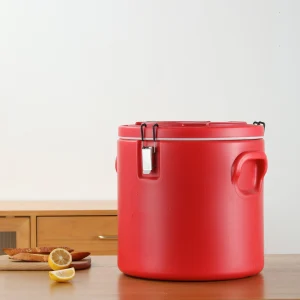
Using heavy-duty cold food transport containers is essential for maintaining salads, dairy desserts, raw seafood, and chilled appetizers at safe temperatures during commercial catering and food transit. According to international food safety regulations (such as HACCP and FDA guidelines), perishable cold foods must be held consistently below 4° C (40° F) to prevent rapid bacterial growth (such as Listeria and Salmonella) and maintain dish presentation, crispness, and taste. For catering companies, central kitchens, and food distributors, relying on light-duty coolers or unmonitored ice setups frequently leads to costly food spoilage, delayed deliveries, and health compliance issues.
The Science of Passive Cold Chain Transit
Passive cold chain retention relies on blocking ambient thermal energy from penetrating the vessel without external power sources. Achieving a consistent sub-4°C interior environment for 8 to 12 hours relies on three core engineering elements:
- High-Density PU Foam Insulation: High-grade commercial cold food transport containers feature double-wall construction with thick polyurethane (PU) foam injected between the walls. This dense insulation barrier provides high thermal resistance ($R$-value), preventing external ambient heat from entering—even when transported in un-refrigerated trucks during hot summer months.
- Silicone Gasket & Airtight Sealing: Thermal leakage most commonly occurs around the rim of the lid. Heavy-duty leak-proof cold transport containers with silicone seals create a 100% hermetic lock. This stops warm air infiltration and prevents melted condensation, ice water, or salad dressings from leaking during transit.
- Eutectic Cooling Plates (Ice Packs): Placing pre-frozen, food-grade eutectic chilling plates at the top of the container enhances cooling efficiency. Because cold air naturally sinks, this top-down convection flow evenly surrounds the salads and desserts underneath.
Commercial vs. Standard Coolers: A B2B Comparison
Not all insulated boxes are built for the demands of commercial food delivery. Here is how specialized catering containers compare to regular consumer coolers:
| Feature | Commercial Cold Food Transport Containers | Standard Household Coolers |
| Interior Material | Food-Grade 304 Stainless Steel / HDPE (Stain-Resistant) | Thin Polypropylene / Standard Plastic |
| Seal Mechanism | Heavy-duty stainless steel latches + silicone gaskets | Friction-fit or simple plastic snaps |
| Sanitization | Compatible with harsh commercial dishwashers & sanitizers | Prone to scratches, staining, and odor retention |
| Transport Stability | Interlocking stackable design for truck loading | Unstable stacking; high risk of sliding |
| Temperature Hold Time | Keeps food <4°C for 8–12+ hours with cooling plates | Rapid temperature drop within 2–4 hours |
Key Features of Commercial Cold Transport Containers
When sourcing wholesale cold food transport containers for bulk commercial operations, focus on these heavy-duty features:
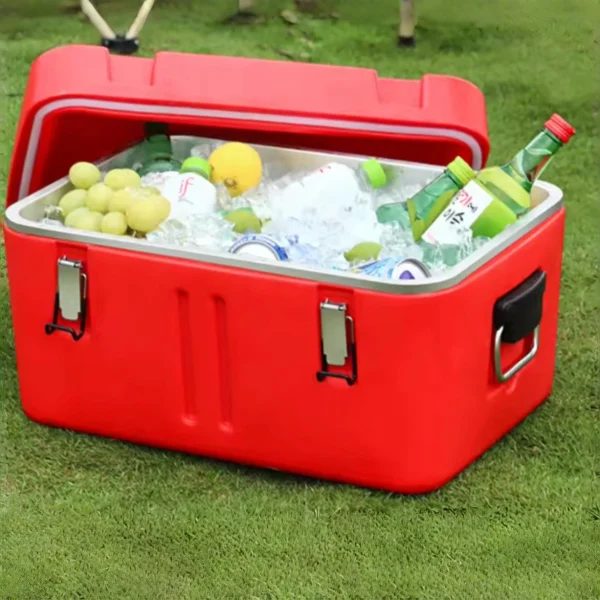
- Food-Grade 304 Stainless Steel Interiors: Unlike low-grade plastics that absorb odors and stain under acidic dressings, 304 stainless steel insulated barrels for cold food offer non-porous hygiene, high corrosion resistance, and effortless cleaning between food batches.
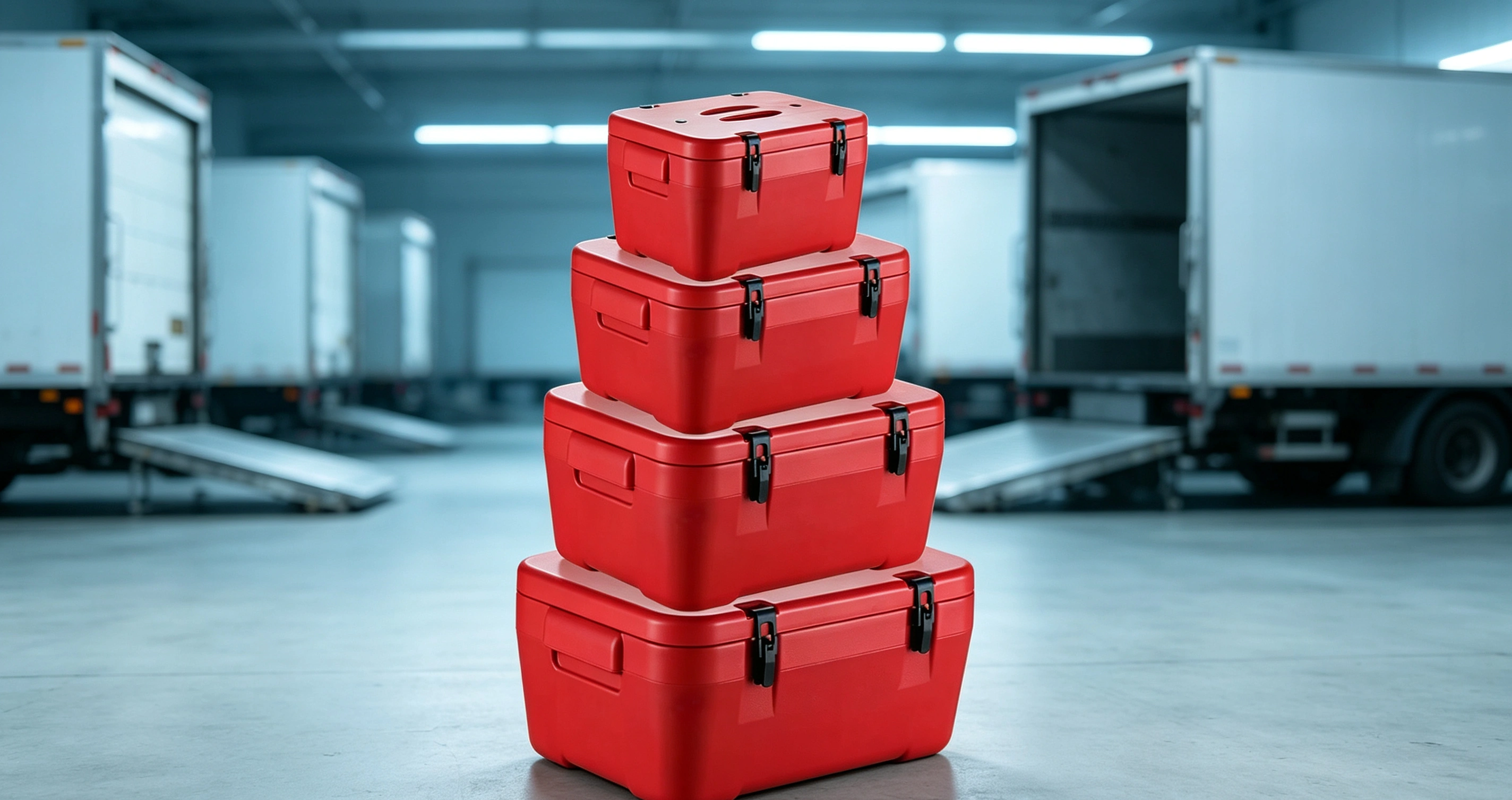
- Interlocking Stackable Structure: Logistics efficiency is crucial for catering profitability. Using stackable cold food carriers for truck delivery maximizes vertical cargo space in delivery vans while securing the containers against tipping during sudden stops.
- Ergonomic Handles & Heavy-Duty Latches: Reinforced drop handles and stainless steel draw latches ensure easy two-person lifting and maintain continuous compression on the lid seal over years of heavy daily use.
Best Practices for Maintaining <4°C During Transit
To achieve maximum temperature retention and comply with commercial food safety protocols:
- Pre-Chill the Container Body: Place eutectic cold plates inside the cold food transport containers with the lid closed for 15–20 minutes prior to loading. Packing cold food into a room-temperature box wastes initial cooling energy, just lowering the internal wall temperature.
- Load Pre-Chilled Items Only: Ensure all salads, dairy products, and desserts are already chilled to 2°C–3°C before loading. Insulated cooler boxes are thermal barriers designed to maintain existing temperatures, not to pull down warm food.
- Optimize Pan Configurations: Use standard GN (Gastro-Norm) food pans inside the insulated box to eliminate empty air pockets, reducing internal thermal circulation.
FAQ
Q1: How long can commercial cold food transport containers keep food below 4°C?
When paired with pre-frozen eutectic chilling plates (ice packs), high-grade insulated containers can maintain internal temperatures below 4°C (40°F) for 8 to 12 hours, even in ambient temperatures up to 35°C (95°F).
Q2: Are stainless steel cold food containers better than plastic ones for catering?
Yes. While plastic containers are lightweight, food-grade 304 stainless steel interiors offer superior hygienic benefits. They do not absorb food odors or stains from acidic dressings, are resistant to corrosion, withstand commercial sanitization, and provide longer structural durability for daily B2B use.
Q3: Can these cold transport containers also be used to keep food hot?
Absolutely. Dual-purpose commercial cold food transport containers feature high-density PU insulation that works both ways. They prevent ambient heat from entering cold foods and retain internal heat to keep hot food above 60°C (140°F).
Conclusion
Maintaining strict temperature control below 4°C during cold food transport is non-negotiable for modern catering operators, central kitchens, and food distribution networks. By investing in commercial-grade cold food transport containers featuring high-density PU insulation, food-grade 304 stainless steel interiors, and leak-proof silicone gaskets, businesses can eliminate food waste, pass strict hygiene audits, and deliver fresh, restaurant-quality dishes to any venue.
About Lianmei
As a specialized insulated food containers manufacturer, Lianmei provides stainless steel insulated barrels, milk tea buckets, wholesale cold food transport containers, and insulated food containers, tailored for global distributors, hotel suppliers, and commercial catering brands. Contact our team today to explore our factory-direct wholesale options, custom dimensions, and private labeling solutions.