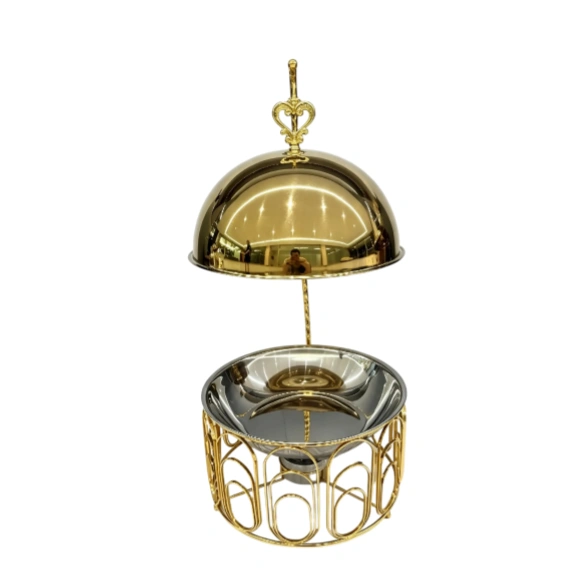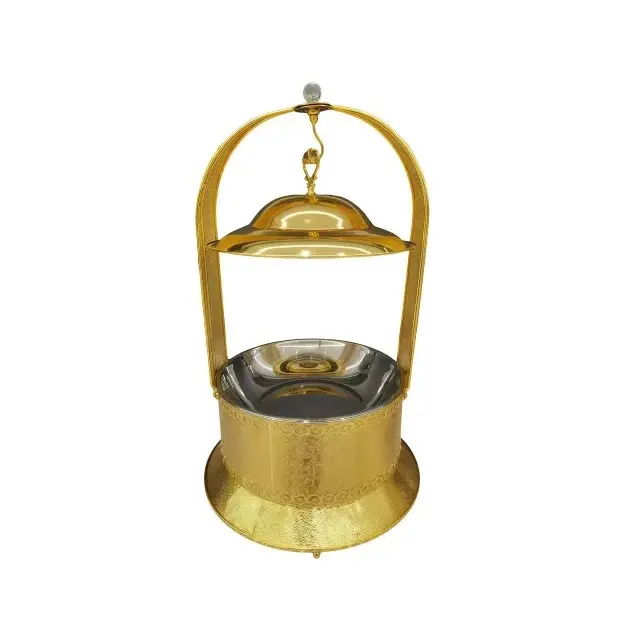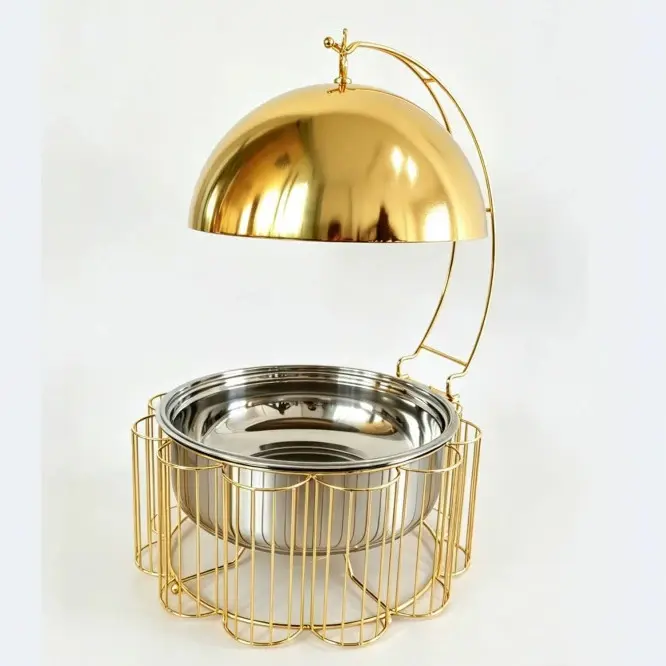
Excerpt: Central kitchens face challenges such as difficulty in temperature control, leakage, and high waste when preparing meals on a large scale. Purchasing professional insulated food transport containers is crucial for ensuring food safety, improving delivery efficiency, and reducing long-term costs. As a professional source manufacturer, Lianmei provides high-quality wholesale insulated food transport containers to help catering businesses achieve efficient and safe centralized distribution.
Four Core Pain Points in Central Kitchen Meal Preparation
In large-scale food transportation and centralized meal preparation scenarios, central kitchen and catering equipment purchasing managers often encounter the following challenges:
- Rapid Temperature Loss, Exceeding Food Safety Standards: According to food safety standards, hot food must be maintained above 60°C (140°F). Ordinary insulated containers are insufficient in retaining heat during long-distance transportation or in cold weather, easily leading to food cooling, deterioration in taste, and even bacterial growth.
- Bumpy transport leading to liquid leakage: Soups and sauces are highly prone to leakage during truck transport, resulting in food waste and contamination of the truck bed and surrounding equipment.
- Frequent loading and unloading causing equipment dents and damage: Ordinary thin containers cannot withstand the daily high-intensity loading, unloading, and handling, resulting in a short lifespan and increased long-term replacement costs for businesses.
- Low space utilization and increased logistics costs: Containers lacking standardized and stackable designs cannot effectively utilize transport truck space, thus increasing logistics and transportation costs.
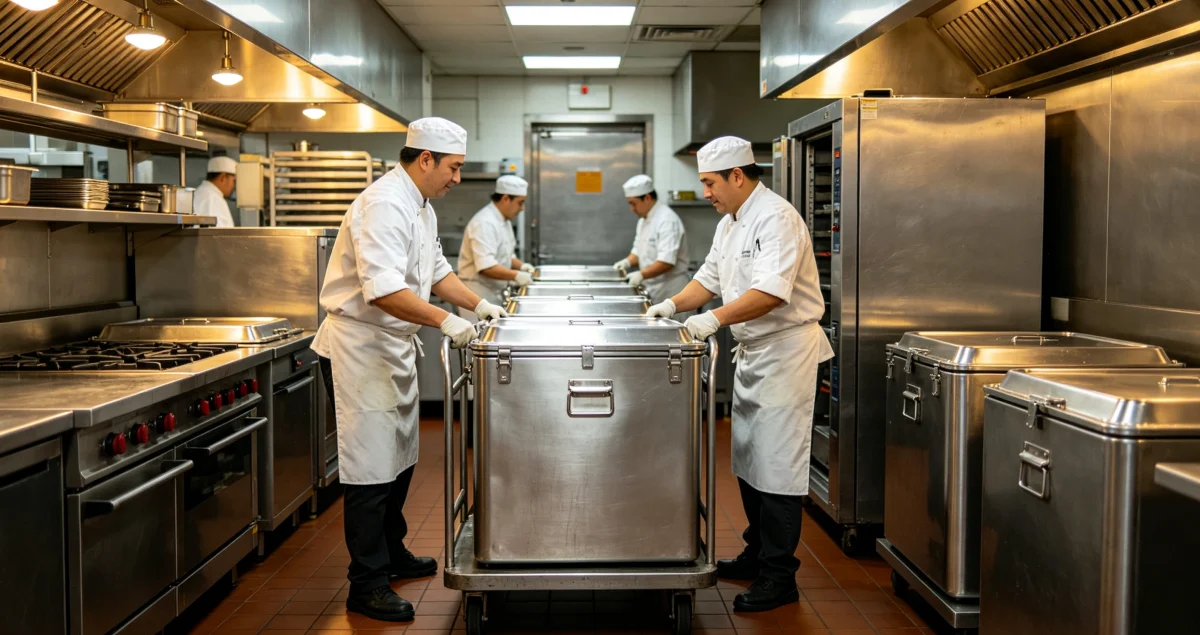
How to Choose High-Quality Insulated Food Transport Containers
To address the above pain points, central kitchens should focus on the following core criteria when purchasing insulated food transport containers:
1. Superior Insulation Technology and Material Selection
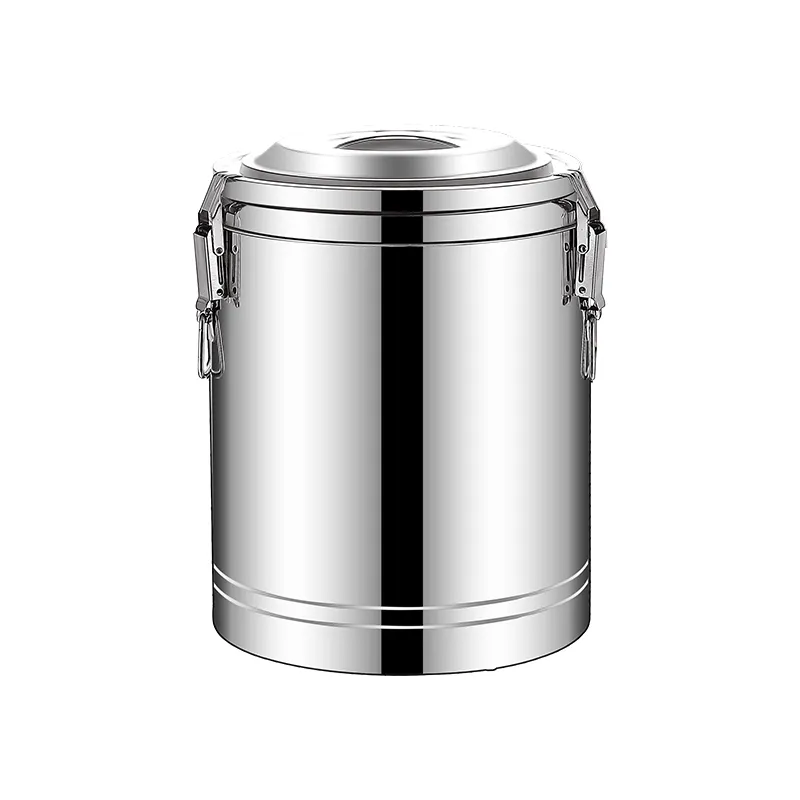
The heat retention performance of commercial insulated containers depends on their structure and materials. Choosing a commercial insulated food transport container with a double-walled stainless steel structure combined with high-density foam or vacuum insulation technology can provide stable heat retention for 6 to 12 hours. In addition, the inner liner for food contact should ideally be made of food-grade 304 stainless steel (SUS304), which offers excellent corrosion resistance and acid/alkali resistance, facilitates frequent disinfection, and leaves no residual food odor.
2. Robust Sealing and Leak-Proof Structure
To cope with complex land transport conditions, containers must be equipped with thickened food-grade silicone sealing rings and heavy-duty stainless steel buckles. This design achieves a 360° all-around seal, effectively preventing liquid spillage even under bumpy or inverted conditions.
3. Ergonomics and Stackable Design
During loading, unloading, and handling, reinforced manual handles and a rationally structured base significantly improve employee efficiency. Insulated food transport containers that support stacking of the same size maximize the use of vertical space in the transport vehicle, directly reducing logistics costs per delivery.
Lianmei’s Professional Central Kitchen Insulated Food Transport Solutions
As an ISO-certified professional manufacturer of commercial stainless steel insulated containers, Lianmei is committed to providing durable and efficient food preparation equipment for global food wholesalers, central kitchens, and chain restaurant brands.
For the procurement needs of large central kitchens and food preparation companies, we offer a complete wholesale bulk insulated food transport container set solution:
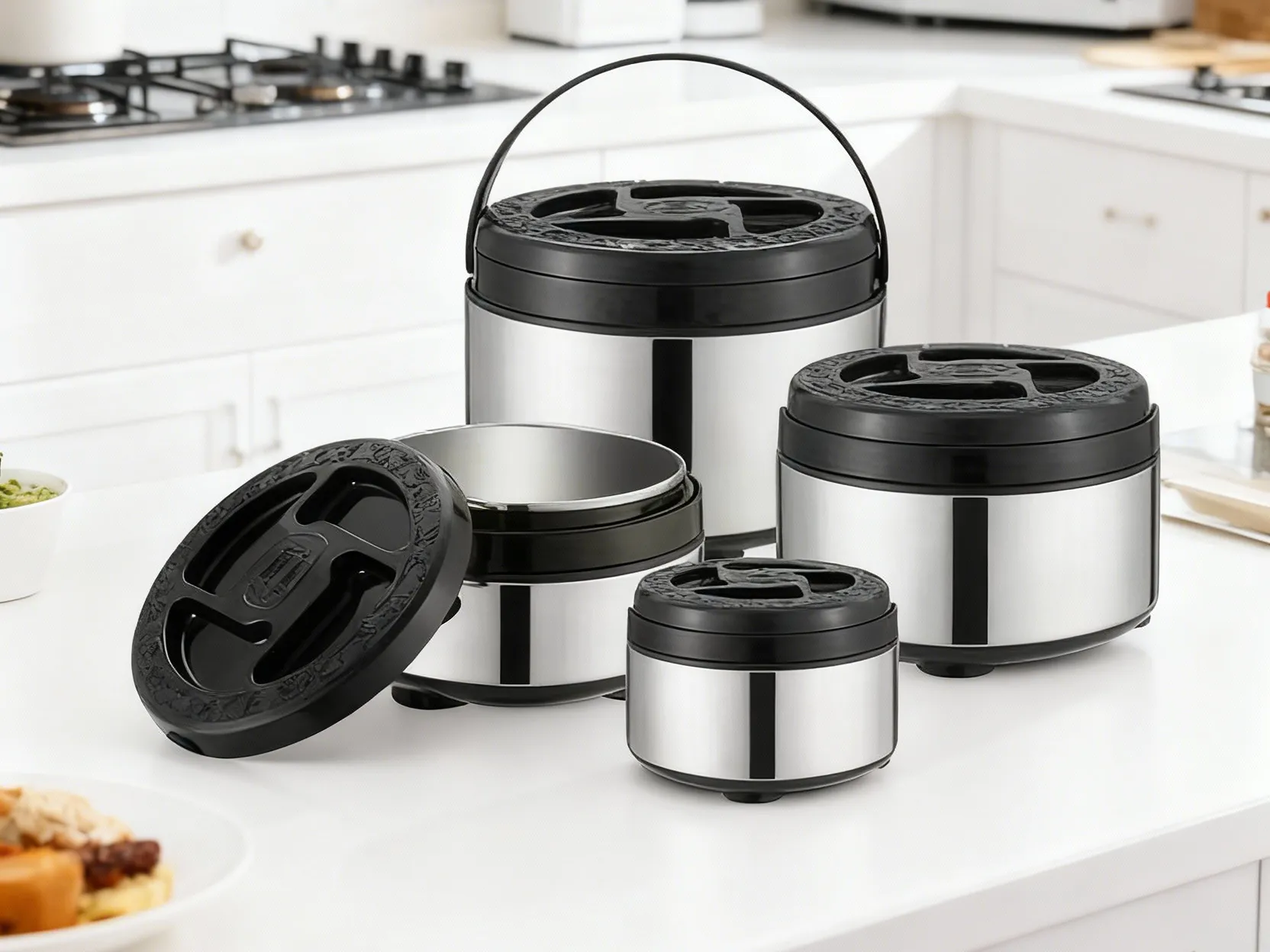
- Diverse Capacity Specifications: Covering everything from large-capacity liquid insulated containers and soup containers to professional food preparation containers, meeting the needs of delivery tasks of different scales.
- Strict Quality Control: Every batch of commercial insulated food transport containers undergoes rigorous sealing and insulation performance testing before leaving the factory, ensuring the products meet international food safety standards.
- Flexible OEM/ODM Customization: We support logo laser marking, customized packaging, and customized development based on the customer’s transportation fleet specifications, helping buyers establish a brand differentiation advantage.
Daily Maintenance and Insulation Techniques for Central Kitchen Equipment
To extend the lifespan of insulated food transport containers and achieve optimal insulation performance, operators are advised to follow these guidelines:
- Preheating/Precooling Before Filling: Before filling with hot food, rinse the inner container with hot water for 2 to 3 minutes; before filling with cold food, moisten with cold water. This simple procedure can increase temperature retention time by more than 15%.
- Regular Inspection and Maintenance of Sealing Rings: Regularly check the elasticity and wear of the silicone sealing rings. Avoid using sharp tools to scratch the silicone during cleaning to maintain optimal sealing performance.
- Proper Cleaning and Storage: Use a neutral detergent and a soft cloth to clean. Avoid using steel wool to damage the passivation protective film on the stainless steel surface. After cleaning, allow it to air dry completely before closing and storing.
Frequently Asked Questions (FAQ)
Q1: What temperature should hot food be kept above in commercial catering?
According to HACCP and international food safety guidelines, hot food must be kept above 60°C (140°F) during transportation and temporary storage to prevent the rapid proliferation of harmful bacteria. High-quality insulated food transport containers can help central kitchens easily meet these standards.
Q2: Does Lianmei support bulk purchasing and private label customization?
Yes, Lianmei provides wholesale insulated food transport container sourcing services to global wholesalers and brand clients, and offers OEM/ODM private label customization (including brand logo printing, customized color boxes, and appearance adjustments).
Conclusion
Choosing high-quality, high-performance insulated food transport containers is a core means for central kitchens to ensure food safety, improve logistics efficiency, and reduce long-term operating costs. From excellent temperature-control performance and reliable leak-proof sealing structures to durable stainless-steel materials, suitable insulation equipment can safeguard your catering business.
About Lianmei
Lianmei is a professional manufacturer of commercial stainless steel insulated containers and catering equipment. Our factory is ISO certified, and our products meet international food safety standards such as FDA and LFGB. With stringent quality control, stable production capacity, and flexible OEM/ODM services, we provide efficient one-stop commercial procurement solutions for global catering wholesalers and central kitchens.
We welcome B2B buyers, catering wholesalers, and central kitchen project managers to contact us! Whether you are looking for standard bulk wholesale or require custom OEM/ODM products under your own brand, Lianmei will provide you with the most cost-effective products and professional services. Visit our website or send an inquiry directly to obtain the latest product catalog and exclusive wholesale quotes!